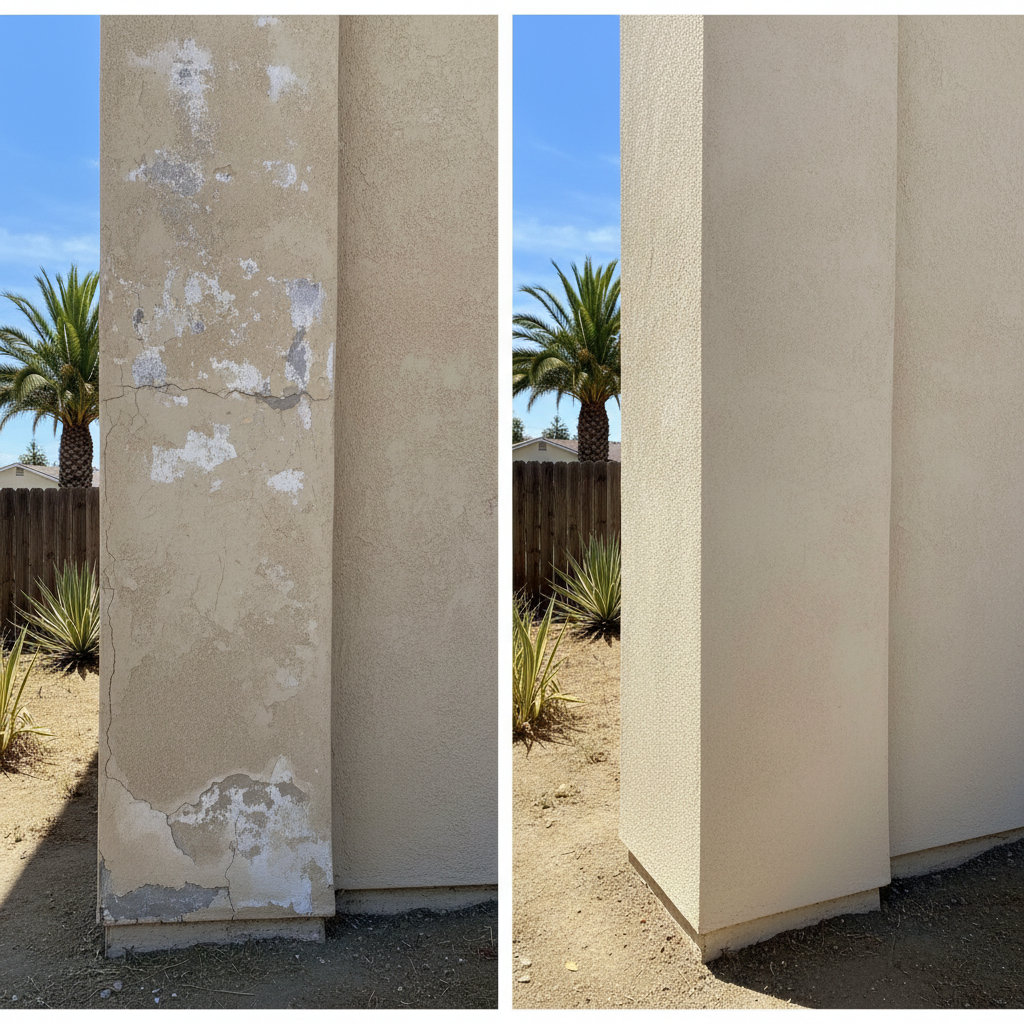
You've got stucco on your house, right? Most homes around Downey do. And eventually, you're going to wonder if it's holding up like it should. That's when you start thinking about an inspection. But what kind? You've basically got two main routes: a visual inspection or an invasive one. Let's talk about what each means for your home and your wallet.
Visual Stucco Inspection: The Quick Look
This is what most folks think of first. A visual inspection is exactly what it sounds like. Someone comes out, walks around your house, and looks at the stucco. They're checking for the obvious stuff: cracks, discoloration, bulging, areas where it looks like water might be getting in, or places where the stucco is just plain falling apart. They'll probably tap on it in a few spots to listen for hollow sounds, which can mean delamination or moisture behind the surface.
Cost & Time
Visual inspections are definitely the cheaper and quicker option. You're usually looking at a few hundred bucks, maybe a bit more depending on the size of your house. It's not a full-day affair; an experienced inspector can usually get through it in an hour or two for a typical Downey tract home.
Durability & Maintenance Insights
A visual inspection can tell you a lot about the surface condition and point out immediate problems. If you've got big cracks or obvious water stains, they'll catch it. It's great for routine check-ups or if you're just looking for a general idea of your stucco's health. It helps you prioritize maintenance – 'fix that crack now before it gets worse,' for example.
Appearance Impact
Zero impact on appearance. They're just looking. No holes, no mess.
The Downside
The big problem with visual inspections? They only show you what's on the surface. Stucco is a pretty tough material, but what's happening underneath, especially with moisture, can be completely hidden. You can have serious dry rot or mold behind the stucco, and a visual inspection won't catch it until it's already caused significant damage that's visible from the outside. Think of it like checking your car's oil from the outside – you can see if the dipstick is in, but not if the oil's dirty.
Invasive Stucco Inspection: Getting Under the Skin
This is the more thorough approach, and frankly, it's the one I recommend if you have any real concerns or if you're buying an older home. An invasive inspection involves actually drilling small holes in discreet locations on your stucco. The inspector uses a moisture meter to check for water content behind the stucco and sometimes a borescope camera to look into the wall cavity.
Cost & Time
This is going to cost you more, usually upwards of $1,000, and it takes longer, often a half-day or more. The price reflects the specialized equipment and the time involved in carefully making and patching the test holes.
Durability & Maintenance Insights
This is where an invasive inspection shines. It gives you the real picture of your stucco's integrity and whether moisture is penetrating the wall system. You'll know if you have hidden rot, mold, or structural issues that a visual check would completely miss. This kind of information is crucial for long-term durability and planning major repairs. It tells you if you need to just patch a crack or if you're looking at a bigger re-stucco job.
Appearance Impact
Yes, there's an impact. Small holes are drilled, usually about 3/8 inch in diameter. A good inspector will patch these holes carefully with a matching stucco patch, but they might still be visible up close, especially if your stucco has a unique texture or color. We always do our best to blend them in, but it's not invisible.
Which One Should You Choose?
For most homeowners in Downey, especially with our older housing stock and occasional heavy rains that can really test a stucco system, I generally recommend a visual inspection for routine checks or minor concerns. If you see a few small cracks, a visual inspection can help you decide if it's a DIY fix or time to call in Downey Stucco & Plastering.
However, if you're buying a home, if you suspect serious water intrusion (like persistent leaks inside your house), or if your stucco is showing widespread signs of deterioration, you absolutely need an invasive inspection. It's an investment, but it can save you tens of thousands of dollars down the road by catching problems before they become catastrophic. We've seen too many homes where hidden water damage has completely rotted out framing, and by the time it's visible, the repair bill is huge. Especially with the clay soils we have here in Downey, ground movement can put extra stress on foundations and stucco, making thorough inspections even more vital.
Don't guess with your stucco. It's your home's skin, protecting everything inside. Get it checked out properly.